

Nicholas Goodman Spotlight - January 2026
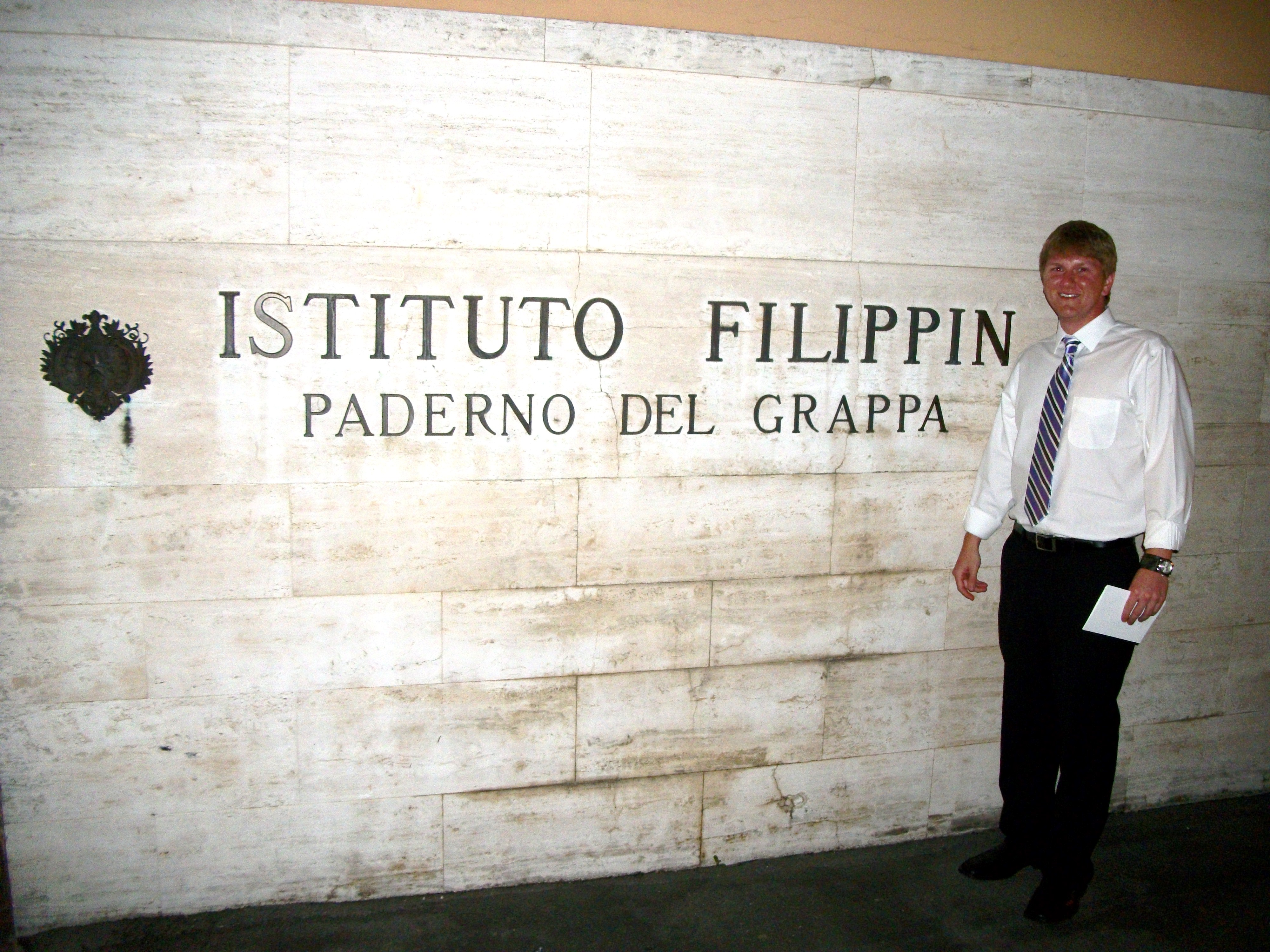
• Do you remember your first impressions of Italy when you first arrived? What were they?
I remember them very clearly. I arrived in the summer and landed in Venice, and right away I was struck by how beautiful everything was. When we made our way to Paderno, the warm weather and the trees in full bloom made it feel almost cinematic—it honestly felt like something out of a movie. It was my first time in Italy, so everything felt new and exciting. What stood out just as much as the scenery were the people and the food. The hospitality was incredible, and the meals were simple yet consistently delicious. That combination of beauty, warmth, and food made a lasting impression on me from the very beginning.
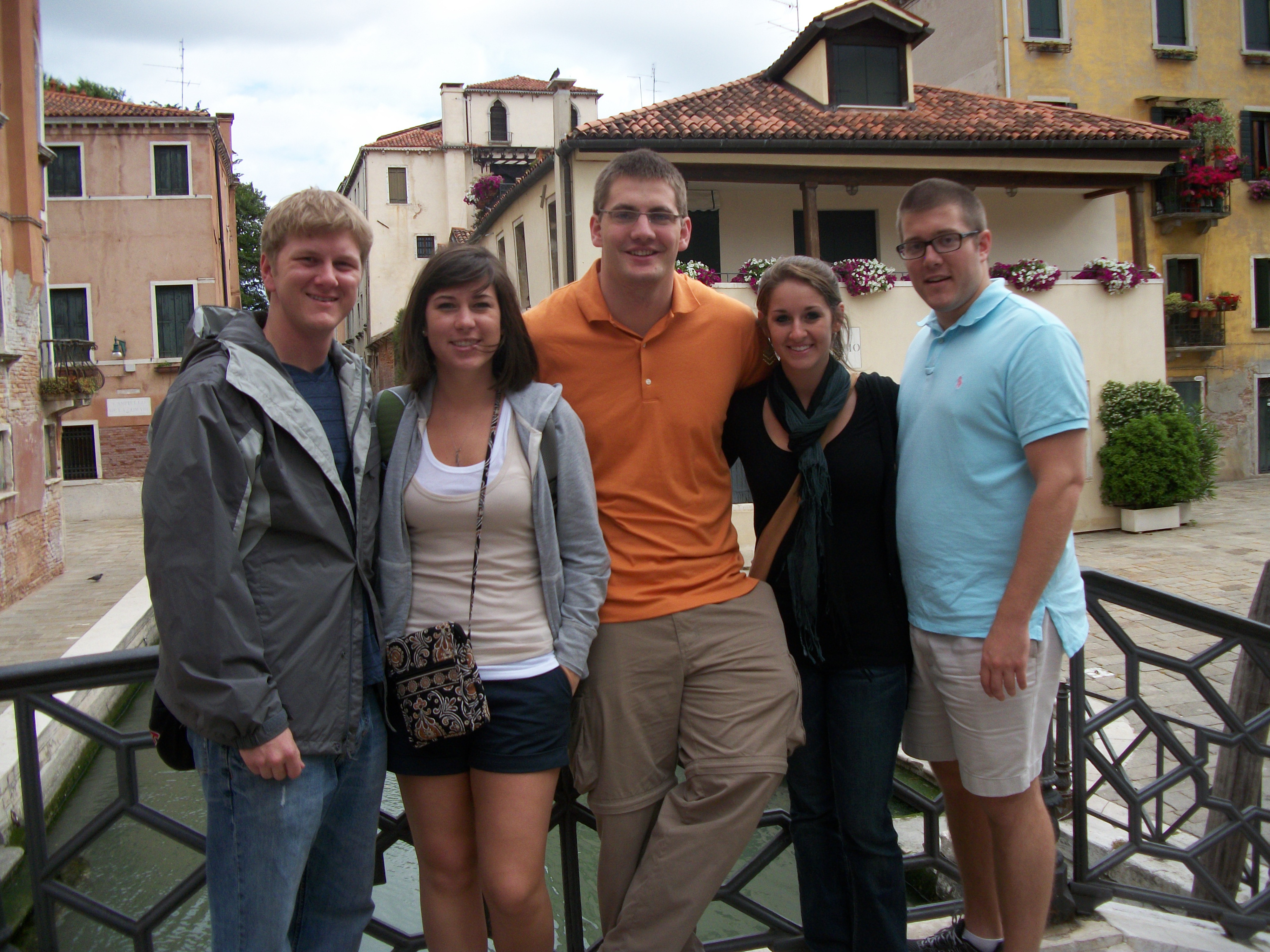
• How has your relationship with Italy evolved?
Since that first summer in 2011, my relationship with Italy has deepened significantly. I’ve made at least ten trips back, mostly to the same region in north-central Italy, and each visit has given me a greater appreciation for the culture, the food, and especially the way business is done there. Through our import work, I’ve had the opportunity to learn firsthand how many of these smaller companies operate. Most of the producers we work with are multigenerational family businesses, with family members still actively involved in the day-to-day operations. That’s something you don’t see as often in the U.S., and it’s been really inspiring. Seeing that level of pride, tradition, and continuity is a big part of what motivates us to bring their products to the U.S. and share their stories—and their craftsmanship—with others.
• You are involved in two very different businesses that import/export in Italy and Europe. What are the biggest challenges you are currently facing?
Working in international trade across two different industries has definitely taught me a lot. In my day-to-day role with Atlas Concorde, bringing Italian tile into commercial projects across North America, specifically the years since COVID have been especially educational. I’ve learned a great deal about transportation logistics, exchange rate fluctuations, and the importance of balancing short-, medium-, and long-term planning. Those experiences really helped prepare me for launching my own business.
We started Fratelli Del Vino right around the time tariffs were becoming a major topic in the U.S. While that was certainly a concern, we stayed focused on our goals and were able to keep our pricing stable despite the economic uncertainty.
Right now, the biggest challenge as a small business is finding the right balance between pushing for growth and keeping the business sustainable. In import/export, there are only so many factors you can control. Our approach is to focus on those, execute them as well as possible, and remain flexible and solution-oriented when it comes to the things we can’t fully control. If I had to point to one ongoing challenge above all others, it would be managing the fluctuations in the U.S. dollar–euro exchange rate.
• How did you build relationships with small producers?
Fortunately, years of traveling to Italy really helped lay the groundwork. When we decided to start Fratelli Del Vino, we were able to reconnect with vineyards we had visited in the past and lean on friends who live in Italy to make introductions and recommendations. Because of that, every conversation we started was warm and personal rather than a cold call, which made a big difference.
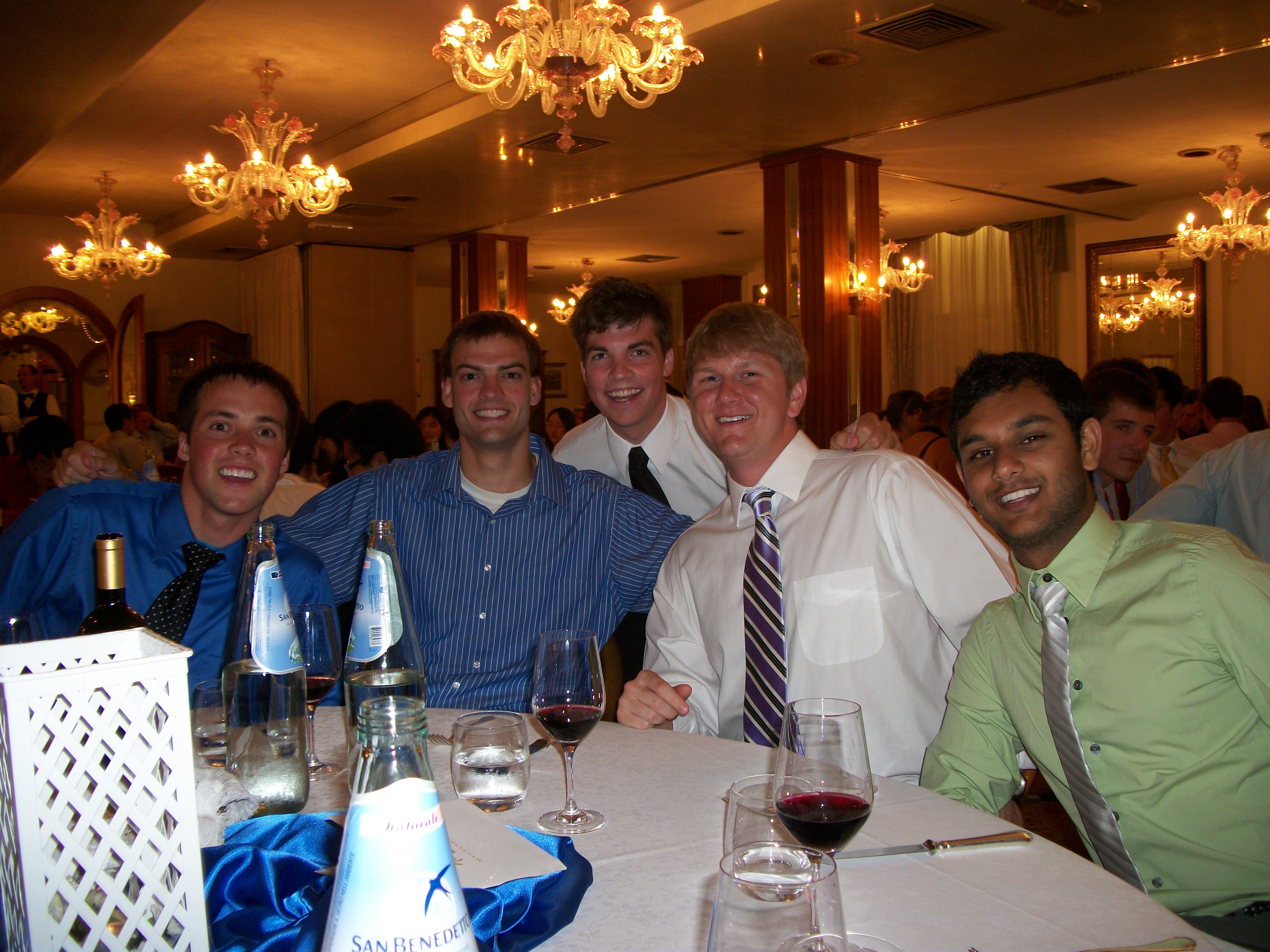
However, not every producer we meet ends up being the right fit. For the relationships we do pursue, there’s a shared understanding of our small footprint and our focus on bringing high-quality products to the U.S. that aren’t easily accessible. The producers we work with really appreciate that we’re not just trying to sell a product, we’re trying to tell their story and represent what makes their work special.
• Thinking back at your CIMBA experience and the following years, would you have done anything differently?
Looking back, I do wish I had spent a full summer—or even a semester—at CIMBA. Having that extra time would have helped me develop a stronger command of the Italian language, which would be incredibly valuable in the work I do today.
That said, I’ve always had a passion for food, cooking, and food products, and I used to wonder where that interest might eventually lead. I’m grateful for my CIMBA experience, especially for sparking my love for Italy. As well, I’m thankful for the professional roles I took on in the years that followed. When I look at where I am now—running a business built around products I genuinely care about—it really feels like everything happened in the right order. In hindsight, all those experiences came together exactly as they were meant to.
Happy to provide CIMBA newsletter subscribers with a 15% off discount code for Italian Balsamic & Olive Oil.
- Code: CIMBA15
- Valid until Feb. 28, 2026